
Journal · September 27, 2026
What Is Non-Medical Home Care? A Plain-English Guide for New Jersey Families
Learn what non-medical home care includes, how it differs from home health care, and how New Jersey families can find flexible support at home.
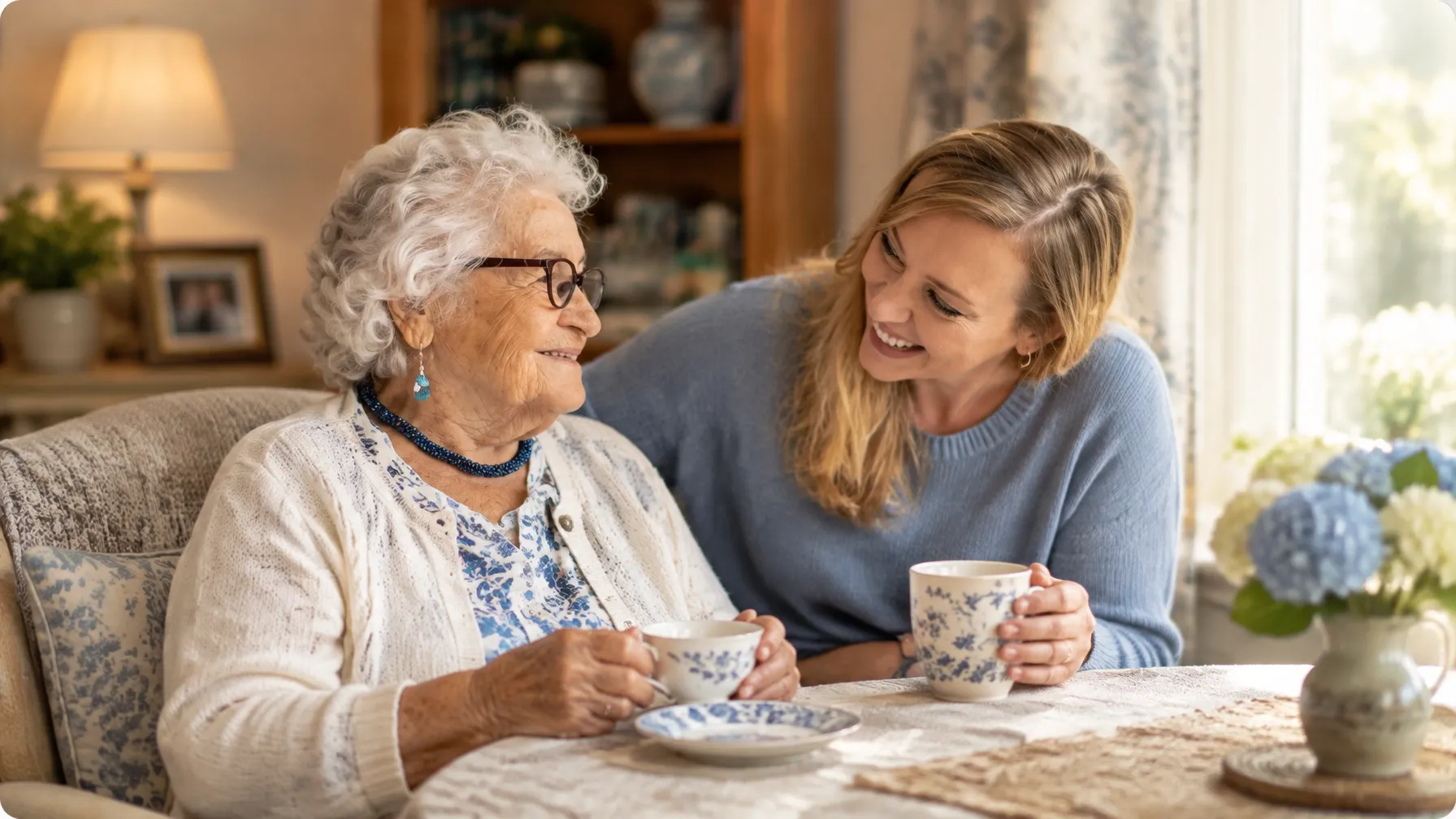
If you are caring for an aging parent, you may have heard the phrase "non-medical home care" and still wonder what it actually means. Does it include bathing? Can a caregiver help with meals or transportation? Is it the same as home health care?
The short answer is that non-medical home care services are everyday support delivered where your loved one feels most comfortable: at home. It can make daily routines safer and more manageable while giving family caregivers room to work, rest, and stay connected as family.
Non-medical home care supports everyday life
Non-medical home care is designed around the ordinary moments that help someone remain comfortable and independent at home. A caregiver may provide companionship, prepare a meal, do light housekeeping, help with errands, offer mobility support, or remind someone to take medication as directed.
Depending on the care plan, support may include:
- Conversation, activities, and companionship
- Meal planning, preparation, and cleanup
- Light housekeeping and laundry
- Grocery shopping, errands, and transportation support
- Help with bathing, dressing, grooming, and other personal routines
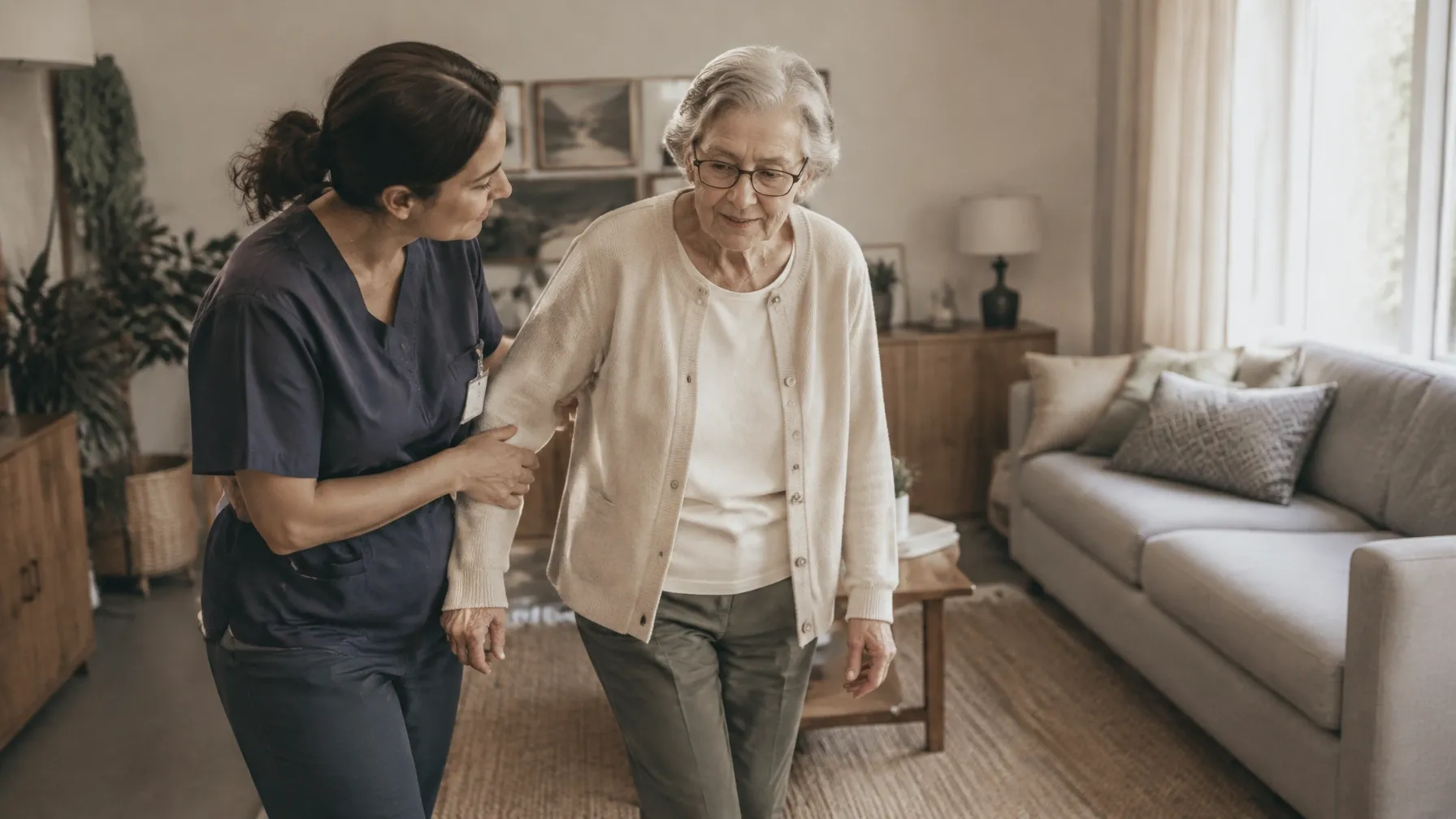
- Mobility assistance and fall-conscious supervision
- Medication reminders, without administering or changing medication
- Respite care so a family caregiver can take a break
The goal is not to take over a person's life. It is to make the parts of the day that have become difficult feel more manageable, while preserving choice, dignity, and familiar routines.
What non-medical home care is NOT
Non-medical home care is not a substitute for emergency care, a doctor's evaluation, or skilled nursing. Caregivers do not diagnose illness, prescribe treatment, administer clinical care, or make changes to a medication plan.
It is also not a one-size-fits-all schedule. Some families need a few hours of companionship each week. Others need daily personal care or respite support. A thoughtful plan starts with what is happening at home now and can change as your loved one's needs change.
If you are unsure whether your family needs home care or clinical services, speak with your loved one's healthcare provider. For a plain-language overview of what Medicare describes as home health services, review the official Medicare guidance.
Non-medical home care vs. home health care
The names sound similar, but the purpose is different. Non-medical home care focuses on daily living and practical support. Home health care generally refers to skilled, clinical services ordered by a healthcare provider, such as nursing, physical therapy, or occupational therapy.
Here is a simple way to compare them:
| Non-medical home care | Home health care | |
|---|---|---|
| Main purpose | Support daily routines, safety, and connection | Provide skilled clinical care at home |
| Typical provider | Caregiver or home health aide | Nurse, therapist, or other licensed clinician |
| Common support | Meals, companionship, errands, personal care, respite | Wound care, therapy, assessments, and medical treatment |
| Schedule | Flexible visits based on household needs | Usually ordered for a defined clinical need |
| Best first step | Talk with a care agency about an assessment | Ask a healthcare provider about eligibility and orders |
The two types of support can sometimes work alongside each other. A nurse or therapist may address a medical need while a non-medical caregiver helps the person manage meals, routines, mobility, and companionship between clinical visits.

What is a home health aide?
A home health aide provides non-medical, hands-on support with activities of daily living. That may include bathing, dressing, grooming, toileting, getting in and out of a chair, preparing food, and helping someone move safely through the day.
The phrase "home health aide" can be confusing because the work is not the same as nursing. A home health aide does not diagnose, prescribe, or replace a doctor. The role is practical and personal: helping someone complete tasks safely while encouraging them to do as much as they can for themselves.
In New Jersey, families may also encounter the term Certified Homemaker-Home Health Aide, or CHHA. The New Jersey Department of Health's CHHA information can help families understand the state's home health aide framework.
Who can benefit from non-medical home care?
Non-medical home care can help in many different situations. It may be a good fit for an older adult who is mostly independent but should not spend long periods alone. It can also support someone who is recovering at home, living with a disability, or finding personal routines harder than they used to be.
Families often start looking for help when they notice:
- Missed meals, unopened mail, or an increasingly untidy home
- Difficulty getting dressed, bathing, or moving around safely
- More loneliness or less interest in familiar activities
- Missed medication reminders or trouble keeping a routine
- A family caregiver who is exhausted and needs regular respite
- A change in health, mobility, or confidence after an illness or fall
Needing support does not mean your loved one has lost their independence. The right caregiver helps protect independence by offering just enough assistance for the person to stay involved in their own choices and routines.
Flexible care that can grow with your family
Care needs rarely stay exactly the same. A family may begin with a caregiver for a few hours on Tuesday and Thursday, then add mornings after a change in mobility. Another family may need weekend respite while a daughter manages work and appointments.
Flexible care allows you to start with the support that is useful now. A schedule can include a regular visit, occasional coverage, longer daytime care, or a combination of services. The important thing is to build around the real rhythm of the household rather than choosing a label first.
When you speak with an agency, ask how it handles schedule changes, caregiver coverage, communication with family members, and transitions when needs increase. Clear answers at the beginning help everyone feel more confident later.
Caregiver matching builds trust at home
Care is personal. The caregiver entering your loved one's home should be dependable, respectful, and comfortable with the family's routines. Matching is not only about availability; it is also about personality, communication style, interests, and the kind of support your loved one welcomes.
Trust grows through consistency. A familiar caregiver can learn how someone likes their coffee, which music makes them smile, and when they prefer quiet time. Those details turn a scheduled visit into care that feels human.
They gave my mother the dignity and care she deserved while I could finally breathe again.
That is what families are often looking for: practical help for a loved one and breathing room for themselves. A well-matched caregiver supports both.

Finding senior home care in New Jersey
Searching for senior home care in New Jersey can feel like a lot when you are already carrying work, family, and caregiving responsibilities. Start by looking for a local agency that explains its services clearly and is willing to listen before recommending a schedule.
Helpful questions include:
- How are caregivers screened, trained, and supported?
- How do you match a caregiver with a loved one's personality and needs?
- What happens if the scheduled caregiver is unavailable?
- Can the schedule change as needs change?
- How will the agency communicate with the family?
- Which tasks are included in the care plan, and which are not?
You can also ask your loved one's healthcare team what kind of support makes sense alongside any medical services. Home care works best when everyone understands their role and shares information respectfully.
How to get started with a free assessment
A free assessment is a conversation, not a test. You do not need to have every answer before you call. These four steps can help you prepare:
- Write down the daily picture. Note what your loved one can do comfortably, what has become difficult, and when support is most important.
- Name the priorities. Decide whether the first need is companionship, personal care, mobility support, meals, errands, respite, or a combination.
- Share the family schedule. Explain which hours relatives can cover and where you need dependable help.
- Build a starting plan. Talk through caregiver matching, visit length, communication, and how the plan could grow over time.
If you are ready to talk through your situation, tell us more on our Services page. Sundey Home Support can help you understand the options and choose a starting point that feels manageable.
Frequently asked questions
What is non-medical home care?
Non-medical home care is practical, everyday support provided in a person's home. It can include companionship, meal preparation, light housekeeping, errands, mobility assistance, personal care, medication reminders, and respite for family caregivers.
Does non-medical home care include nursing or medical treatment?
No. Non-medical home care does not replace a nurse, doctor, therapist, or other licensed clinician. Caregivers can support daily routines and provide reminders, but skilled medical services should come from a qualified healthcare professional.
What is the difference between non-medical home care and home health care?
Non-medical home care helps with daily living, companionship, safety, and household routines. Home health care is typically clinical care ordered by a healthcare provider, such as skilled nursing, physical therapy, or other medical services.
What does a home health aide do?
A home health aide provides non-medical hands-on support with activities of daily living, such as bathing, dressing, grooming, toileting, mobility, meals, and routine supervision. The exact duties depend on the care plan and the aide's training.
Who can benefit from non-medical home care?
Older adults living alone, people recovering from illness or injury, adults living with disabilities, and family caregivers who need respite can all benefit. Support can be useful whenever daily tasks, safety, companionship, or household routines become harder to manage alone.
Can non-medical home care be scheduled for only a few hours?
Yes. Many families begin with a few hours a week or a regular daytime visit. A flexible schedule can grow when needs change, so your family does not have to commit to more care than is helpful right now.
How do I find non-medical home care in New Jersey?
Look for an agency that clearly explains its services, screens and trains caregivers, takes time to understand your family's needs, and offers a care plan that can adjust over time. A free assessment is a useful first conversation.
How do I get started with non-medical home care?
Start by writing down the routines that have become difficult, the times your loved one needs help, and the support family members can provide. Then contact an agency for a free assessment to discuss needs, scheduling, caregiver matching, and next steps.
A clear next step for your family
Non-medical home care is about making home life safer, steadier, and less lonely without taking away the choices that matter. Whether your family needs a few hours of companionship, personal care, mobility support, or regular respite, the right plan can give everyone more room to breathe.
Start with a free assessment and talk with Sundey Home Support about what support could look like for your family.